


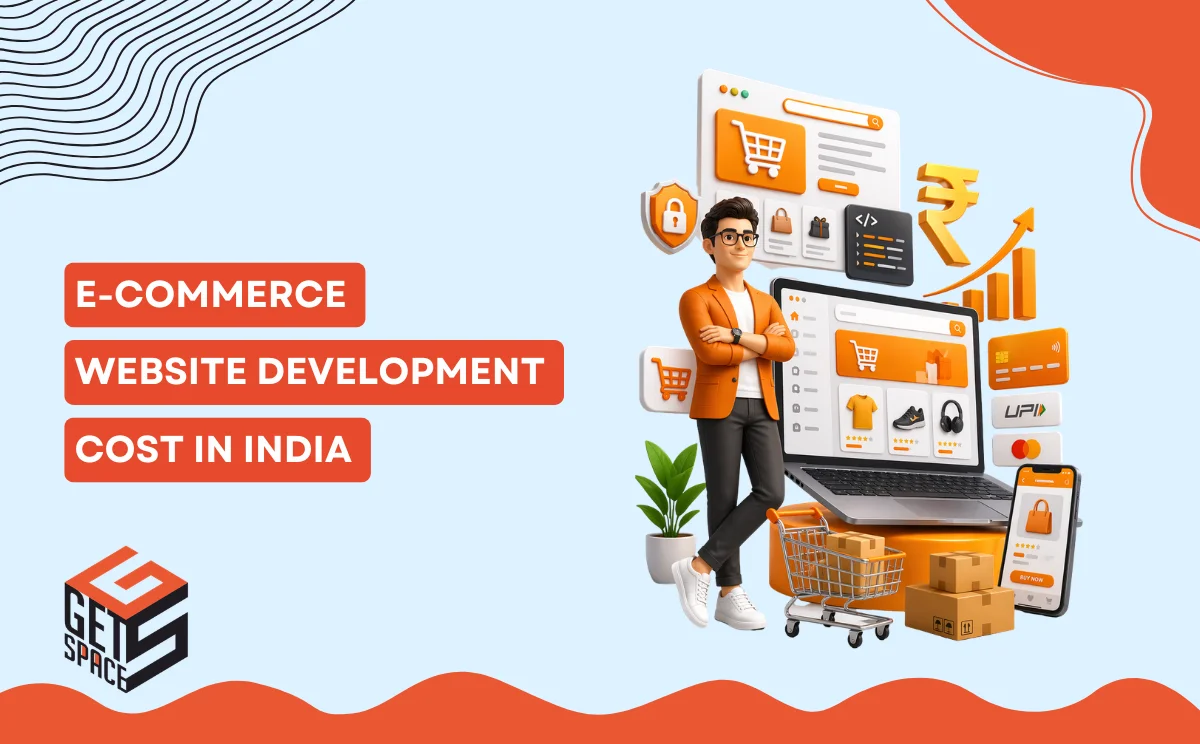
Understanding the e-commerce website development costs in India is crucial for startups and businesses planning to enter the digital marketplace. With India emerging as a global hub for cost-effective web solutions, businesses can build scalable online stores at competitive prices without compromising quality. However, the overall investment varies widely depending on multiple factors, including features, platform, and development approach.
Average Cost of E-Commerce Website Development in India
In 2026, the cost of developing an e-commerce website in India typically ranges from Rs. 15,000 to over Rs. 10 lakh, depending on complexity and business requirements.
- Basic websites (template-based): Rs. 15,000 – Rs. 50,000
- Mid-level stores (customised): Rs. 1 lakh – Rs. 5 lakh
- Advanced/enterprise platforms: Rs. 5 lakh – Rs. 10 lakh+
These variations exist because e-commerce websites are not just informational platforms – they include payment systems, product catalogues, and customer management tools.
Key Factors Affecting Development Cost
Several elements influence the final pricing:
1. Platform Selection
Using platforms like Shopify or WooCommerce is more affordable than a fully custom-built solution. Template-based platforms reduce development time and cost.
2. Design Complexity
A basic UI costs less, while a custom UI/UX design increases expenses due to additional development and testing.
3. Features & Functionalities
Advanced features like AI recommendations, multi-vendor systems, and real-time analytics increase development hours and costs.
4. Third-Party Integrations
Payment gateways, shipping APIs, CRM, and ERP integrations add to the overall cost.
5. Development Team Type
Freelancers are cheaper, while hiring a professional e-commerce website development company ensures better scalability, quality assurance, and long-term support.
Cost Breakdown by Business Size
Starter Store (Rs. 40,000 – Rs. 1,20,000)
Ideal for small businesses testing online sales with basic features and limited product listings.
Mid-Scale Store (Rs. 1,20,000 – Rs. 5,00,000)
Suitable for growing brands needing custom design, integrations, and improved user experience.
Enterprise-Level Store (Rs. 5,00,000+)
Designed for large businesses with advanced features such as multi-vendor support, automation, and scalability.
Additional and Hidden Costs
Beyond development, businesses must consider recurring expenses:
- Domain and hosting charges
- Maintenance and updates
- Security (SSL certificates)
- Marketing and SEO tools
Ignoring these can lead to budget overruns later. Proper planning ensures smoother operations and better ROI.
Why India is a Preferred Destination
India offers a strong combination of affordability and expertise. Businesses can save significantly compared to Western markets while still accessing skilled developers and modern technologies. Additionally, agile development practices and faster turnaround times make India a preferred outsourcing destination for startups worldwide.
Key Takeaways
To sum up, the e-commerce website development costs in India are influenced by your business objectives, scalability plans, and required features. While entry-level websites are affordable and suitable for startups, investing in a more advanced, scalable solution supports long-term growth and competitiveness. Choosing the right development partner is crucial to success. Collaborating with a trusted agency like Getspace ensures a well-optimised, high-performing e-commerce platform that balances cost efficiency with quality and future readiness.
Frequently Asked Questions
1. How much does it cost to build an e-commerce website in India?
The cost varies depending on complexity, features, and platform. A basic store may cost Rs. 15,000-Rs. 50,000, while advanced platforms can exceed Rs. 5 lakh. The e-commerce website development costs in India depend on customisation, integrations, and long-term scalability requirements.
2. What factors influence e-commerce website development pricing?
Key factors include platform choice, design complexity, features, third-party integrations, and developer expertise. Custom-built websites cost more than template-based ones due to higher development effort, testing, and scalability considerations for long-term business growth.
3. Are there ongoing costs after website development?
Yes, businesses must budget for hosting, domain renewal, maintenance, security updates, and marketing tools. These recurring costs ensure the website remains secure, up to date, and optimised for performance, which is essential for sustaining online sales growth.
4. Should I hire a freelancer or an agency for development?
Freelancers are cost-effective for small projects, but agencies provide structured development, better quality assurance, and scalability. Choosing a professional e-commerce website development company is ideal for businesses planning long-term growth and advanced functionality.
5. How long does it take to develop an e-commerce website?
Development timelines range from 2-4 weeks for basic stores to several months for complex platforms. The duration depends on features, design customisation, and integration requirements, with more advanced projects requiring thorough testing and optimisation before launch.